Showing posts with label Hotel management. Show all posts

Friday, November 7, 2025

Hospitality Education is Transforming: Sustainability, Luxury, and Adventure Redefine the Future Published by SBIHM on November 8, 2025


Introduction

The hospitality sector is undergoing one of the most significant transformations in its history. Once confined to traditional hotel and restaurant management, the industry has evolved into a multidisciplinary ecosystem that blends sustainability, luxury experiences, adventure tourism, and culinary innovation. This evolution has compelled educational institutions to redesign their teaching models, aligning academic knowledge with the practical and ethical demands of a rapidly globalizing marketplace.


A Shift Toward Experience-Based Learning

Modern hospitality education is moving decisively away from rote, theory-driven instruction. Today’s leading programs emphasize application-based and experiential learning, enabling students to apply theory directly to practice. Whether through simulated hotel environments, culinary laboratories, or tourism field projects, learners are gaining first-hand experience in problem-solving, teamwork, and leadership.

This transition reflects a broader shift toward skill-integrated learning, where academic rigor is complemented by hands-on engagement. Students are encouraged to design sustainable food concepts, manage mock hotel operations, and develop business strategies that mirror real-world scenarios. The result is a new generation of graduates who are agile, creative, and globally competent.


Sustainability and Global Awareness Take Center Stage

Sustainability has emerged as the cornerstone of modern hospitality education. As travelers become more environmentally conscious, academic curricula are increasingly focused on eco-friendly practices and responsible tourism models.

Courses now incorporate modules on sustainable hotel management, waste reduction, renewable energy use, and local sourcing, helping students understand how environmental stewardship can coexist with profitability.

At the same time, adventure and eco-tourism studies have grown in prominence. These programs emphasize environmental preservation, community participation, and safety management—key dimensions of nature-based tourism. This educational direction not only strengthens students’ technical understanding but also nurtures a sense of social and ecological responsibility, which is vital for the future of global hospitality.


The Redefinition of Luxury

The meaning of luxury in hospitality is undergoing a profound redefinition. No longer synonymous with extravagance, luxury now represents personalization, emotional intelligence, and cultural authenticity.

Academic programs are adapting by integrating topics such as guest psychology, brand storytelling, service innovation, and cross-cultural communication. Students learn that luxury today is about anticipating individual needs, curating meaningful experiences, and maintaining cultural sensitivity.

This evolving approach ensures that hospitality professionals can deliver refined experiences that resonate personally with each guest, balancing operational excellence with human connection.


Culinary Innovation Meets Technology

Culinary education, a long-standing pillar of hospitality training, has also entered a new era of innovation. Courses now combine traditional techniques with contemporary science, including molecular gastronomy, sustainable sourcing, and food design thinking.

Simultaneously, the rise of digital hospitality has made technology an essential part of professional training. Institutions are incorporating modules on AI-driven customer service, data analytics, hotel management systems, and digital marketing for food and beverage operations.

This integration prepares students to operate confidently within a technologically enabled industry—where creativity and digital fluency are equally essential to success.


Changing Learner Expectations

The new generation of learners is pragmatic, outcome-driven, and globally minded. Instead of conventional long-term degrees, many now prefer modular, skill-specific certifications, Like SBIHM’s Culinary Science courses that offer clear career pathways and quicker employability.

Short-term professional diplomas in adventure tourism, luxury management, sustainable hospitality, and culinary innovation are gaining popularity. These programs prioritize micro-credentials and applied competencies, allowing learners to upgrade skills continuously and adapt to emerging trends.

This shift demonstrates how hospitality education is evolving in sync with a dynamic workforce—one that values versatility, innovation, and real-world applicability.


A Future-Ready Hospitality Ecosystem

The boundaries of the hospitality industry have expanded beyond hotels and restaurants. It now encompasses wellness tourism, eco-resorts, digital guest experiences, and global culinary entrepreneurship.

Educational institutions are responding to this diversification by creating multidisciplinary curricula that integrate sustainability, technology, creativity, and cross-cultural management. The goal is to produce professionals who can navigate a rapidly changing international environment while upholding ethical and environmental values.

This forward-looking educational model transforms hospitality from a service-oriented discipline into a strategic, technology-driven, and socially responsible enterprise—one that prioritizes human experience alongside innovation.


Conclusion

The transformation of hospitality education marks a decisive moment for the industry. By embedding sustainability, digital fluency, personalization, and experiential learning into academic programs, educators are preparing future leaders who view hospitality as both an art and a science.

This evolution signifies more than a change in curriculum—it represents a reimagining of what hospitality stands for: a balance between service excellence, environmental responsibility, and global interconnectedness.

As the world embraces this new chapter, hospitality education stands at the forefront—shaping professionals ready to redefine the guest experience for a more sustainable and inclusive future.

Thursday, September 25, 2025

Shaping Tomorrow’s Hospitality Leaders: Skills, Challenges, and Opportunities for the Next Generation


 The hospitality industry has always been about people—serving guests, creating memorable experiences, and building relationships. But in the 21st century, hospitality is no longer just about service excellence; it is about leadership excellence. Hotels, resorts, restaurants, and tourism enterprises are facing rapid changes due to technology, globalization, sustainability concerns, and evolving customer expectations. In this environment, the next generation of leaders must be equipped not only with operational knowledge but also with strategic vision, adaptability, and people management skills.

This article explores the future of leadership in hospitality, focusing on the skills students must acquire, the challenges industries face, and the opportunities for aspiring professionals. By combining academic insights, industry practices, and student-friendly guidance, we aim to create a roadmap for developing successful hospitality leaders of tomorrow.

Why Leadership Matters in Hospitality

Unlike many other sectors, hospitality is highly people-centric. A hotel’s success depends not only on luxurious interiors or cutting-edge technology but also on how well leaders inspire teams, manage crises, and deliver guest satisfaction. Leadership in hospitality is about:

  • Creating organizational culture that prioritizes service excellence.
  • Guiding teams in high-pressure, customer-facing environments.
  • Balancing profitability with guest satisfaction.
  • Innovating continuously to stay competitive in a crowded market.

For students, this means leadership is not an optional quality—it is a core competency they must develop from the start of their academic journey.

The Evolving Landscape of Hospitality Leadership

The global hospitality sector is undergoing transformational shifts. According to recent studies, five mega-trends are reshaping leadership roles in hotels, restaurants, and tourism businesses:

  1. Digital Transformation – Technology such as AI, IoT, digital twins, and automated systems is redefining guest interactions. Leaders must be tech-savvy while ensuring a “human touch.”
  2. Sustainability & Green Practices – Environmental consciousness is no longer optional; it is expected. Leaders need to integrate eco-friendly practices into business models.
  3. Diverse Workforce Management – With globalization, hospitality teams consist of people from multiple cultures, languages, and backgrounds. Cross-cultural leadership is a must.
  4. Changing Guest Expectations – Guests seek personalized, experience-driven services. Leaders must balance data-driven personalization with privacy concerns.
  5. Crisis Management – From pandemics to natural disasters, hospitality leaders face unpredictable challenges requiring resilience and agility.

Students entering this field must be aware of these trends to prepare themselves for leadership roles.

Core Skills for Future Hospitality Leaders

Future leaders in hospitality require a blend of hard skills (technical expertise) and soft skills (people-oriented abilities). Academic research and industry reports highlight the following as essential:

1. Emotional Intelligence (EQ)

Hospitality thrives on empathy. Leaders with high EQ can read emotions, resolve conflicts, and maintain team morale even in stressful environments.

2. Strategic Thinking

Hospitality leaders must go beyond daily operations and focus on long-term growth, market positioning, and innovation strategies.

3. Communication & Interpersonal Skills

Clear communication with staff, guests, and stakeholders builds trust. Multilingual abilities are an added advantage in global hospitality.

4. Technological Proficiency

From property management systems to AI-driven guest personalization, leaders must be comfortable integrating technology into operations.

5. Sustainability Mindset

Future leaders must promote green initiatives—waste reduction, energy efficiency, and sustainable sourcing—to meet industry and guest expectations.

6. Cross-Cultural Competence

With diverse guests and employees, leaders must embrace inclusivity and understand cultural nuances.

7. Crisis Management & Resilience

Quick decision-making, adaptability, and calmness under pressure are critical during unforeseen disruptions.

8. Team Development & Mentorship

Great leaders build future leaders. Coaching, mentoring, and talent development are vital in reducing staff turnover and nurturing loyalty.

Challenges Facing Hospitality Leaders

Becoming a leader in hospitality is not without hurdles. The industry presents several ongoing challenges that future professionals must prepare for:

1. Talent Shortage

Globally, hotels and restaurants face difficulties in hiring and retaining skilled employees. Leaders must find innovative ways to motivate and engage staff.

2. High Guest Expectations

Today’s guests expect seamless service, digital convenience, and unique experiences—all at competitive prices. Balancing these expectations with profitability is a constant challenge.

3. Rapid Technological Change

Leaders must adapt quickly to new tools while ensuring their teams are trained and comfortable with these systems.

4. Economic Uncertainty

Hospitality is vulnerable to recessions, pandemics, and political instability. Leaders must develop risk management and financial agility.

5. Work-Life Balance for Employees

Burnout is common in hospitality. Leaders must promote employee wellness while maintaining high service standards.

Role of Education in Developing Hospitality Leaders

Academic institutions play a vital role in preparing students for leadership. Colleges and universities must align their programs with industry needs by offering:

  • Leadership Development Courses – Training in communication, critical thinking, and problem-solving.
  • Technology Integration – Exposure to property management software, AI tools, and digital marketing.
  • Sustainability Modules – Education on eco-friendly operations and corporate social responsibility (CSR).
  • Global Exposure – Exchange programs, international internships, and cross-cultural projects.
  • Industry Partnerships – Collaboration with hotels, airlines, and tourism companies to provide real-world experience.

For students, actively engaging in workshops, internships, and leadership training programs can make the difference between being a manager and becoming a visionary leader.

Opportunities for Students & Young Professionals

Despite challenges, the future of hospitality leadership is bright. Emerging opportunities include:

  1. Sustainable Hospitality Ventures – Startups focusing on eco-tourism, green hotels, and responsible travel.
  2. Technology-Driven Roles – Careers in digital guest experience design, data analytics, and AI integration.
  3. Global Career Pathways – Opportunities in international hotel chains, cruise lines, and luxury resorts.
  4. Entrepreneurship – Students can create boutique hotels, restaurants, or travel businesses tailored to niche markets.
  5. Academic & Research Roles – For those inclined toward academia, there is increasing demand for research on hospitality leadership trends.

Tips for Students Aspiring to be Hospitality Leaders

  • Start Early: Participate in college clubs, events, and leadership programs.
  • Seek Mentors: Learn from professors, industry experts, and supervisors during internships.
  • Stay Informed: Read industry journals, blogs, and research papers to understand trends.
  • Build Soft Skills: Practice communication, problem-solving, and empathy in everyday life.
  • Be Adaptable: Be ready to embrace change and learn continuously.
  • Network Widely: Attend hospitality conferences, job fairs, and workshops to expand opportunities.

Conclusion

The hospitality industry is entering a new era—an era where leadership is the ultimate differentiator. Future leaders must balance tradition with innovation, human connection with technology, and profitability with sustainability. For students, this means preparing themselves with the right mindset, skills, and education to step confidently into leadership roles. That is why our hotel management institute prepares you for every aspects of the hospitality management.

Academic institutions, industry leaders, and students themselves all have roles to play in shaping the future. By focusing on empathy, innovation, and adaptability, the next generation of hospitality leaders can ensure that this vibrant industry continues to thrive, no matter the challenges ahead.

The journey is not easy, but it is rewarding. And for those who embrace leadership with passion, hospitality offers not just a career, but a chance to inspire, influence, and transform the global service experience.

Monday, September 15, 2025

Hospitality Careers Abroad: What Global Opportunities Look Like in 2025


Hospitality has long been a gateway to global exposure, cultural richness, movement, and career growth. As we move through 2025, the sector is evolving rapidly—driven by shifts in traveler behavior, technological innovation, sustainability, and changing workforce expectations. For aspiring hospitality professionals seeking opportunities abroad, it is a moment full of promise—but also complexity. What are the real prospects, what skills do you need, how can you prepare, and where are the opportunities strongest? This article explores those in depth.

1. Global Trends Reshaping Hospitality in 2025

To understand what an abroad hospitality career could look like, one must first grasp broader industry trends:

  • Strong Travel Demand and Recovery: After COVID-19 disruptions, international travel is rebounding, with demand for both leisure and business travel increasing. Travelers are spending more, planning longer stays, and seeking richer experiences.
  • Sustainability & Eco-Consciousness: Hotels, resorts, and tourism operators are under pressure from guests and regulators to reduce environmental impact—energy efficiency, waste reduction, sustainable sourcing, carbon footprint, local community involvement.
  • Personalization & Guest Experience: Guests expect tailored experiences: whether that’s special dietary options, customized services, wellness features, or local cultural immersion.
  • Technology Integration: Automation, AI, contactless check-in/out, virtual or augmented reality tours, online booking platforms, predictive analytics for demand and pricing—all are playing larger roles in hotel operations.
  • Changing Work Culture & Workforce Expectations: Employee wellness, flexible schedules, better benefits, career development, and meaningful work are no longer optional.

2. Where the Opportunities Abroad Are Strongest

Not all countries are growing at the same pace or offering the same kind of opportunities. For those considering hospitality careers abroad, certain regions stand out:

  • Middle East (UAE, Qatar, Saudi Arabia, Bahrain, etc.): High wages (sometimes tax-free), many new luxury or mega-project hotels, growing tourism infrastructure.
  • United States & Canada: Upscale hotels, resorts, and event management roles with diversity in career paths.
  • Europe (Switzerland, France, Spain, Italy, UK, Nordic countries): Known for luxury hospitality, prestigious training, and high guest standards.
  • Asia-Pacific (Singapore, Malaysia, Thailand, Australia, New Zealand): Strong travel demand, cruise liner industry, wellness tourism.
  • Emerging Regions (Caribbean, Pacific Islands, Africa, Latin America): Opportunities in eco-tourism, adventure travel, and sustainable resort projects.

3. Key Roles & Career Paths Abroad in 2025

Hospitality abroad isn’t limited to hotels. Some of the most in-demand roles include:

  • Hotel Operations & General Management
  • Front Office & Guest Relations
  • Food & Beverage Leadership
  • Events, Conferences & Weddings (MICE)
  • Wellness, Spa & Lifestyle Services
  • Sustainability & Green Operations
  • Revenue Management & Digital Hospitality Roles

4. Skills & Qualifications You’ll Need

Hard Skills:

  • Expertise in property management systems, revenue management, and digital tools.
  • Certifications in food safety, hygiene, and sustainable operations.
  • Knowledge of digital marketing, guest analytics, and e-commerce strategies.

Soft Skills:

  • Cross-cultural communication and customer empathy.
  • Leadership and team management.
  • Emotional intelligence and adaptability.

Qualifications:

A solid foundation from a reputed institution is essential. For instance, choosing a hotel management institute in Kolkata equips students with global exposure, internships, and the hands-on learning needed for international success.

5. Challenges You Must Prepare For

  • Visa and work permit complexities.
  • Cost of living versus earning power.
  • Cultural adjustments in new countries.
  • Competitive job markets in luxury destinations.
  • Compliance with sustainability and safety regulations.

6. Proven Tips for Aspiring Professionals

  1. Invest in the Right Education – A HOSPITALITY MANAGEMENT COLLEGE IN KOLKATA can provide international-standard training, internships, and exposure to leading hotel chains.
  2. Start with Internships – Practical training helps you understand operations and build confidence.
  3. Learn Languages & Cultural Etiquette – Being multilingual adds huge value.
  4. Build Soft Skills – Communication, problem-solving, and leadership are what set you apart.
  5. Network Globally – Attend events, connect with alumni, and use professional platforms like LinkedIn.
  6. Stay Updated – Embrace trends like sustainability, wellness, and digital hospitality tools.

7. Sample Career Pathways

  • A graduate starts at a front office desk in India, moves to Dubai as Guest Relations Officer, and advances to Events Manager in a luxury hotel.
  • A culinary student becomes a sous-chef in Singapore, later moving to Europe as an Executive Chef specializing in sustainable cuisine.
  • A hotel operations graduate joins revenue management in Singapore and grows into a Regional Director role.

8. Why 2025 Is the Best Time to Go Abroad

  • Travel demand is stronger than ever.
  • Employers are investing in sustainability and guest personalization.
  • Skills shortages mean more demand for qualified professionals.
  • Tech integration creates specialized career opportunities.

Conclusion

Hospitality careers abroad in 2025 are rich with opportunity—but success requires preparation, adaptability, and the right educational foundation. Whether you dream of managing luxury hotels in Europe, leading a wellness resort in Bali, or handling revenue strategy in the Middle East, the path begins with strong training.

Thursday, August 21, 2025

Top Trends in Hospitality: What Every Hotel Management Student Should Know


The hospitality industry has always been a reflection of society—dynamic, fast-changing, and full of opportunities. As we step into 2025, the global hotel and tourism sector is projected to cross $12 trillion in value, driven by technological breakthroughs, sustainability movements, and evolving guest expectations.

For aspiring hoteliers and hospitality professionals, staying updated with these shifts is no longer optional—it’s essential. At SBIHM Kolkata, one of India’s premier hospitality institutes, we ensure that our students not only keep pace with these trends but also lead the change.

Here are the Top 10 Hospitality Trends in 2025 every hotel management student should know:

1. Sustainability Beyond Greenwashing

Eco-friendly practices are now baseline expectations, but 2025 is about regenerative hospitality—hotels focusing on energy-positive buildings, zero-waste kitchens, and farm-to-table dining. Students must learn to design operations that give back to the planet, not just reduce harm.

2. Hyper-Personalized Guest Journeys

AI-driven guest profiles, biometric check-ins, and curated travel experiences are defining hospitality. Tomorrow’s hoteliers must know how to blend data analytics with human warmth, ensuring that each guest feels seen and valued.

3. Culinary Fusion & Local Revival

While fusion cuisine is booming, regional and indigenous food traditions are also making a comeback. Chefs trained at SBIHM explore both—crafting global flavors while celebrating Bengal’s culinary heritage.

4. The Art of Mixology 2.0

Mixology is no longer just about cocktails—it’s about storytelling in a glass. With alcohol-free craft beverages, molecular bartending, and health-conscious concoctions rising, bartenders are becoming artists in their own right.

5. Smart Hotels & Immersive Technology

From AI concierges to metaverse hotel tours, the guest experience is being redefined by technology. Hotel management students must master tools like property management software, VR/AR, and IoT-enabled rooms to stay relevant.

6. Wellness Tourism on the Rise

Post-pandemic wellness trends have evolved into a trillion-dollar sector. Guests now seek hotels that offer holistic experiences—yoga retreats, spa therapies, sleep-enhancing rooms, and even nutrition-focused dining.

7. Short-Term Courses & Micro-Credentials

In 2025, students and professionals are increasingly opting for flexible certifications that provide direct industry skills. At SBIHM’s Hotel Management Course, learners can choose diploma, degree, or specialized certifications to fast-track their careers.

8. Cultural Authenticity & Storytelling

Guests don’t just want a stay—they want a story to tell. Hotels are curating experiences tied to local culture, art, and festivals. For students, understanding regional hospitality management is crucial to thrive in both domestic and international markets.

9. Global Exposure with Local Relevance

International internships, cross-border collaborations, and exchange programs are shaping future hoteliers. However, the best professionals combine global best practices with Indian hospitality values—a key focus at SBIHM.

10. Safety, Hygiene & Ethical Hospitality

Even in 2025, health protocols, food safety, and ethical sourcing remain non-negotiable. Students trained in hospitality compliance and global safety standards will be the most sought-after.

Why Students Choose SBIHM

Ranked among the most recognized hospitality institutes in India, SBIHM equips students with the tools, exposure, and training needed to excel in the new era of hospitality. From practical labs to global internships, from culinary arts to hotel management leadership, SBIHM ensures that students are future-ready.
Explore the Hotel Management Course at SBIHM to begin your journey toward becoming a leader in the hospitality industry.

Hospitality is not just about serving—it’s about creating experiences that last a lifetime. As 2025 unfolds, those who innovate, adapt, and embrace these trends will define the future of global hospitality.

Wednesday, August 20, 2025

Sustainability as a Strategic Pillar in Hotel Management


1. Why Sustainability is No Longer Optional

In 2025, sustainability is a core business strategy for hotels worldwide. Guests are increasingly prioritizing eco-conscious choices — research shows that over 70% of travelers prefer accommodations with green certifications. This trend is particularly strong in India, where eco-travel is now one of the fastest-growing market segments.

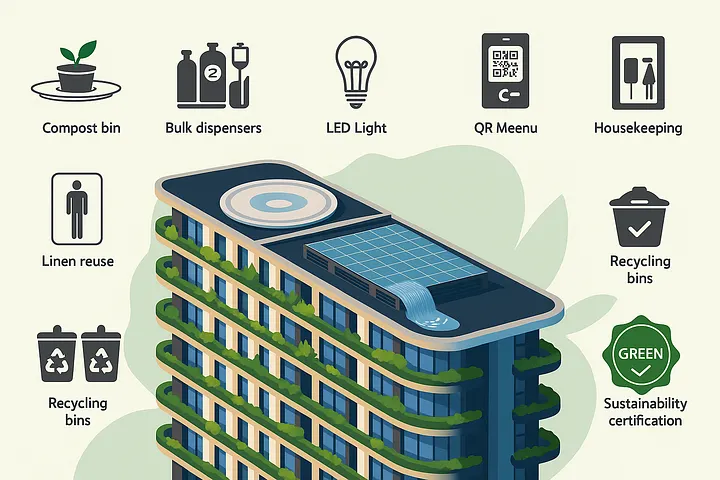
For hoteliers, sustainability is not just about public image — it directly reduces costs. By installing LED lighting, smart thermostats, and water-saving fixtures, hotels can lower utility bills by up to 30% annually. This blend of profitability and responsibility has made green practices an indispensable part of hospitality.

2. Green Practices Reshaping Hotels

Hotels across India and abroad are embracing innovative measures that balance guest comfort with eco-efficiency:

  • Food Waste Reduction
    Properties in Bengaluru are experimenting with digital buffet boards that let guests preview menus, reducing overproduction. Some chains now integrate AI-driven kitchen tracking and food donation programs to tackle waste at scale.
  • Eco-Friendly Amenities
    Luxury and budget hotels alike are shifting from miniature plastic toiletries to bulk bathroom dispensers, cutting millions of plastic bottles from landfills each year.
  • Water Conservation
    Resorts in Rajasthan use rainwater harvesting and greywater recycling for landscaping and utilities, a practice now recommended across drought-prone regions.
  • Smart Energy Systems
    Flagship hotels like the ITC Grand Chola in Chennai have achieved LEED Zero Carbon certification, thanks to renewable energy integration, waste-to-compost plants, and a dedicated 12.6 MW windmill.
  • Digital Transformation
    QR code menus, app-based check-ins, and paperless billing reduce paper usage while improving guest convenience — an eco-friendly solution that also supports contactless service.

3. Leading Indian Examples

  • ITC Hotels — Responsible Luxury
    Every ITC property integrates solar power, efficient HVAC systems, and waste recycling, making it a leader in sustainable hospitality.
  • Taj Hotels (IHCL)
    From organic menus to EarthCheck certifications, Taj properties balance luxury with eco-consciousness. The Taj Exotica in the Andamans runs partly on desalinated and rain-harvested water while safeguarding coral reefs.
  • The Fern Hotels
    Known for their zero-plastic operations and Green Leaf eco-certifications, Fern proves that sustainability is achievable even for midscale hotels.
  • Zostel
    Budget-friendly yet eco-driven, Zostel uses local building materials and cultural integration to promote sustainable tourism.

4. Global Innovations to Watch

5. Why Sustainability Pays Off

  • Revenue Growth: Eco-certified hotels often enjoy higher occupancy and attract younger, socially conscious travelers who willingly pay a premium for responsible stays.
  • Cost Reduction: A 100-room business hotel in India reported saving ₹5 lakh annually after switching to LED lights and water-saving devices.
  • Brand Loyalty: Guests who connect with a brand’s sustainability values are more likely to return and recommend, boosting long-term profitability.
  • Team Morale: Green initiatives create a sense of purpose among employees, increasing motivation and retention.

6. Building the Future Workforce

For aspiring hoteliers, sustainability skills are no longer optional — they’re essential. Top institutions are weaving eco-conscious practices into their training. If you are looking to pursue a career in this growing field, a hotel management institute in Kolkata like SBIHM is an ideal choice, combining traditional hospitality training with a focus on sustainability and innovation.

Best Hotel / Hospitality Management Colleges in West Bengal – Courses, Fees, Admissions 2026

Choosing the right hotel management college in West Bengal is an important decision for students who want to build a career in hotels, resor...