Tuesday, August 26, 2025

Top 5 Reasons to Study Hotel Management in 2025


The hotel and hospitality industry is entering one of its most exciting phases in history. With global tourism rebounding, luxury experiences redefining travel, and culinary innovation shaping guest satisfaction, 2025 is the perfect time to step into this dynamic field.

At SBIHM (Subhas Bose Institute of Hotel Management), our curriculum is designed to help students master hotel operations, hospitality management, and culinary excellence with a forward-looking approach. Here are five reasons why studying hotel management this year can set you on the path to a global career.

1. Hotels Are Redefining Global Hospitality Standards

Modern hotels are no longer just places to stay—they are destinations in themselves. From boutique lifestyle properties to eco-conscious resorts and smart hotels, the industry is expanding in every direction.
At SBIHM, students learn how to manage this new generation of hotels through front office training, guest service management, and operational strategy—ensuring they graduate as professionals ready for international roles.

2. Culinary Arts Are Driving Guest Experiences ️

Culinary innovation is at the heart of the hospitality experience. From authentic regional cuisines to contemporary gastronomy, food has become a global language of culture and creativity.
Through SBIHM’s advanced culinary labs and chef-led training, students master techniques in classical and modern kitchens, while exploring sustainability, presentation, and global food trends—skills that are in demand in luxury hotels, fine dining, and international restaurants.

3. Hospitality Is About Creating Memorable Journeys

Hospitality today is about crafting experiences that go beyond service. Whether it’s seamless housekeeping, exceptional dining, or personalized event management, the focus is on guest satisfaction at every touchpoint.
SBIHM equips students with hands-on learning in professional housekeeping labs, model restaurants, and live events—transforming them into experience designers who understand the art of making every guest interaction unforgettable.

4. Practical Learning That Builds Industry Confidence

Hospitality is a career that thrives on practice. That’s why SBIHM emphasizes real-world learning over theory alone.

  • Fully equipped training kitchens & restaurants
  • Live event and hotel simulations
  • Internships with leading hotel chains

This immersive learning ensures students step into their careers with confidence, competence, and leadership skills from day one.

5. A Career That’s Global, Stable, and Future-Ready

With international travel, luxury dining, and lifestyle hospitality booming, hotel management careers remain among the most stable and rewarding globally. From five-star hotels to Michelin-starred restaurants, SBIHM graduates are equipped to thrive in diverse roles worldwide.
And with the hospitality sector embracing technology, sustainability, and innovation, students entering in 2025 will be at the forefront of this global transformation.

Final Word

Studying hotel management today means preparing for a future where hotels, hospitality, and culinary arts shape the way the world travels, dines, and experiences life.

At SBIHM, we don’t just train students—we mentor tomorrow’s hoteliers, culinary innovators, and hospitality leaders. With progressive learning, industry-driven exposure, and a future-ready curriculum, SBIHM is where ambition meets opportunity.

Thursday, August 21, 2025

Top Trends in Hospitality: What Every Hotel Management Student Should Know


The hospitality industry has always been a reflection of society—dynamic, fast-changing, and full of opportunities. As we step into 2025, the global hotel and tourism sector is projected to cross $12 trillion in value, driven by technological breakthroughs, sustainability movements, and evolving guest expectations.

For aspiring hoteliers and hospitality professionals, staying updated with these shifts is no longer optional—it’s essential. At SBIHM Kolkata, one of India’s premier hospitality institutes, we ensure that our students not only keep pace with these trends but also lead the change.

Here are the Top 10 Hospitality Trends in 2025 every hotel management student should know:

1. Sustainability Beyond Greenwashing

Eco-friendly practices are now baseline expectations, but 2025 is about regenerative hospitality—hotels focusing on energy-positive buildings, zero-waste kitchens, and farm-to-table dining. Students must learn to design operations that give back to the planet, not just reduce harm.

2. Hyper-Personalized Guest Journeys

AI-driven guest profiles, biometric check-ins, and curated travel experiences are defining hospitality. Tomorrow’s hoteliers must know how to blend data analytics with human warmth, ensuring that each guest feels seen and valued.

3. Culinary Fusion & Local Revival

While fusion cuisine is booming, regional and indigenous food traditions are also making a comeback. Chefs trained at SBIHM explore both—crafting global flavors while celebrating Bengal’s culinary heritage.

4. The Art of Mixology 2.0

Mixology is no longer just about cocktails—it’s about storytelling in a glass. With alcohol-free craft beverages, molecular bartending, and health-conscious concoctions rising, bartenders are becoming artists in their own right.

5. Smart Hotels & Immersive Technology

From AI concierges to metaverse hotel tours, the guest experience is being redefined by technology. Hotel management students must master tools like property management software, VR/AR, and IoT-enabled rooms to stay relevant.

6. Wellness Tourism on the Rise

Post-pandemic wellness trends have evolved into a trillion-dollar sector. Guests now seek hotels that offer holistic experiences—yoga retreats, spa therapies, sleep-enhancing rooms, and even nutrition-focused dining.

7. Short-Term Courses & Micro-Credentials

In 2025, students and professionals are increasingly opting for flexible certifications that provide direct industry skills. At SBIHM’s Hotel Management Course, learners can choose diploma, degree, or specialized certifications to fast-track their careers.

8. Cultural Authenticity & Storytelling

Guests don’t just want a stay—they want a story to tell. Hotels are curating experiences tied to local culture, art, and festivals. For students, understanding regional hospitality management is crucial to thrive in both domestic and international markets.

9. Global Exposure with Local Relevance

International internships, cross-border collaborations, and exchange programs are shaping future hoteliers. However, the best professionals combine global best practices with Indian hospitality values—a key focus at SBIHM.

10. Safety, Hygiene & Ethical Hospitality

Even in 2025, health protocols, food safety, and ethical sourcing remain non-negotiable. Students trained in hospitality compliance and global safety standards will be the most sought-after.

Why Students Choose SBIHM

Ranked among the most recognized hospitality institutes in India, SBIHM equips students with the tools, exposure, and training needed to excel in the new era of hospitality. From practical labs to global internships, from culinary arts to hotel management leadership, SBIHM ensures that students are future-ready.
Explore the Hotel Management Course at SBIHM to begin your journey toward becoming a leader in the hospitality industry.

Hospitality is not just about serving—it’s about creating experiences that last a lifetime. As 2025 unfolds, those who innovate, adapt, and embrace these trends will define the future of global hospitality.

Wednesday, August 20, 2025

Sustainability as a Strategic Pillar in Hotel Management


1. Why Sustainability is No Longer Optional

In 2025, sustainability is a core business strategy for hotels worldwide. Guests are increasingly prioritizing eco-conscious choices — research shows that over 70% of travelers prefer accommodations with green certifications. This trend is particularly strong in India, where eco-travel is now one of the fastest-growing market segments.

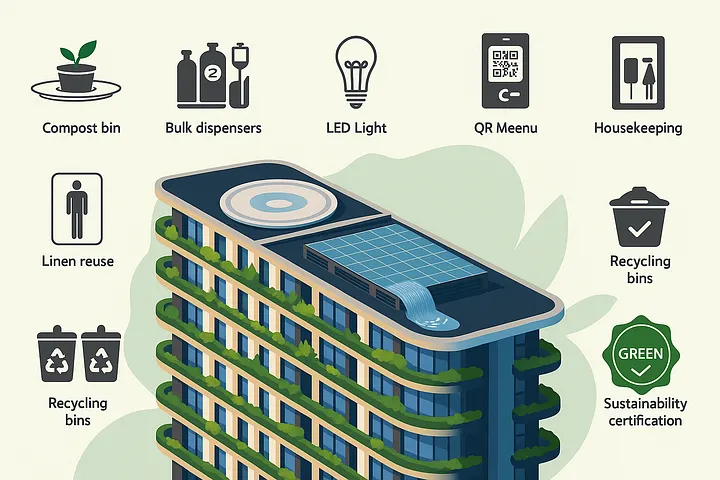
For hoteliers, sustainability is not just about public image — it directly reduces costs. By installing LED lighting, smart thermostats, and water-saving fixtures, hotels can lower utility bills by up to 30% annually. This blend of profitability and responsibility has made green practices an indispensable part of hospitality.

2. Green Practices Reshaping Hotels

Hotels across India and abroad are embracing innovative measures that balance guest comfort with eco-efficiency:

  • Food Waste Reduction
    Properties in Bengaluru are experimenting with digital buffet boards that let guests preview menus, reducing overproduction. Some chains now integrate AI-driven kitchen tracking and food donation programs to tackle waste at scale.
  • Eco-Friendly Amenities
    Luxury and budget hotels alike are shifting from miniature plastic toiletries to bulk bathroom dispensers, cutting millions of plastic bottles from landfills each year.
  • Water Conservation
    Resorts in Rajasthan use rainwater harvesting and greywater recycling for landscaping and utilities, a practice now recommended across drought-prone regions.
  • Smart Energy Systems
    Flagship hotels like the ITC Grand Chola in Chennai have achieved LEED Zero Carbon certification, thanks to renewable energy integration, waste-to-compost plants, and a dedicated 12.6 MW windmill.
  • Digital Transformation
    QR code menus, app-based check-ins, and paperless billing reduce paper usage while improving guest convenience — an eco-friendly solution that also supports contactless service.

3. Leading Indian Examples

  • ITC Hotels — Responsible Luxury
    Every ITC property integrates solar power, efficient HVAC systems, and waste recycling, making it a leader in sustainable hospitality.
  • Taj Hotels (IHCL)
    From organic menus to EarthCheck certifications, Taj properties balance luxury with eco-consciousness. The Taj Exotica in the Andamans runs partly on desalinated and rain-harvested water while safeguarding coral reefs.
  • The Fern Hotels
    Known for their zero-plastic operations and Green Leaf eco-certifications, Fern proves that sustainability is achievable even for midscale hotels.
  • Zostel
    Budget-friendly yet eco-driven, Zostel uses local building materials and cultural integration to promote sustainable tourism.

4. Global Innovations to Watch

5. Why Sustainability Pays Off

  • Revenue Growth: Eco-certified hotels often enjoy higher occupancy and attract younger, socially conscious travelers who willingly pay a premium for responsible stays.
  • Cost Reduction: A 100-room business hotel in India reported saving ₹5 lakh annually after switching to LED lights and water-saving devices.
  • Brand Loyalty: Guests who connect with a brand’s sustainability values are more likely to return and recommend, boosting long-term profitability.
  • Team Morale: Green initiatives create a sense of purpose among employees, increasing motivation and retention.

6. Building the Future Workforce

For aspiring hoteliers, sustainability skills are no longer optional — they’re essential. Top institutions are weaving eco-conscious practices into their training. If you are looking to pursue a career in this growing field, a hotel management institute in Kolkata like SBIHM is an ideal choice, combining traditional hospitality training with a focus on sustainability and innovation.

Tuesday, August 19, 2025

Hyper-Personalization in Hotels: The Rise of Niche Concierge Services


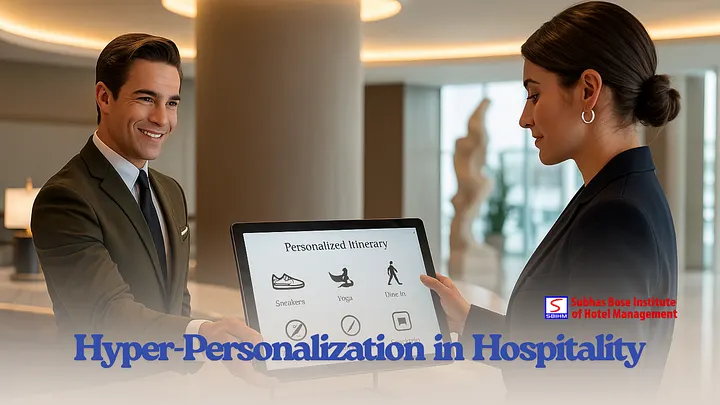
In 2025, hotels are moving far beyond standard concierge roles. They’re embracing hyper-personalization—crafting tailored experiences through niche concierge services, such as sneaker culture experts, TikTok trend navigators, wellness gurus, and more. This shift is fueled by AI, big data, and a deep commitment to delivering unforgettable guest journeys.

Why Hyper-Personalization is the Future of Hotel Stays

1. Guests Crave Tailored, Memorable Experiences

A 2024 survey across 1,700 hotel guests found that 61% were willing to pay more for customized experiences, yet only 23% reported actually receiving high personalization. Additionally, 78% of travelers are more likely to book hotels offering personalized experiences, with half willing to share curated data to enable those offerings.

2. AI & Big Data: The Engine of Hyper-Personalization

The hotel industry is leveraging AI, machine learning, and big data in powerful ways. A 2025 analysis highlights that AI enables hyper-personalization by assessing behavior, preferences, and past interactions to provide real-time tailored experiences discover.. A striking example: 51.5% of hotel execs are already using AI and data analytics for marketing personalization, per Oracle and Skift.

The benefits of AI aren’t abstract. Guest engagement platforms powered by AI can:

  • Boost ancillary revenue by up to 35%,
  • Improve guest satisfaction by 150%,
  • Save front desk staff over 125 hours per month,
  • And generate $300K+ in additional ancillary revenue for a typical 200-room property

3. Real-Time Personalization Across the Guest Journey

AI-driven systems help hotels create 360° guest profiles, powered by real-time data inputs from PMS, CRM, and loyalty systems. This enables hotels to anticipate guest needs—from room upgrades just before check-in to a spa offer after a long flight . These dynamic guest profiles allow for just-in-time messaging and curated experiences that feel personal and thoughtful.

4. Trust Through Human Touch + AI

While AI enhances personalization, hospitality is still powered by empathy. As one student delegation from EHL observed:

“Technology enables faster insight, but it’s the warmth, empathy, and individualized care that leave an indelible impression.”

Reddit users also provide compelling real-world confirmation:

“Every staff member knew my name and preferences—even across rotations… it was flawless.”

Supporting Data on Guest Spending & Wellness Travel

Wellness tourism—central to many concierge motivations—is booming:

  • In 2021, the global wellness tourism market was valued at $850.55 billion, projected to reach $2.1 trillion by 2030.
  • Wellness tourists spend significantly more—130% more on average than regular tourists, with international wellness travelers spending 35% more and domestic ones 177% more .

These figures reinforce why hotels investing in niche wellness-related concierge services are positioning themselves for high-ROI guest engagement.

Technology Enablers in the Field

  • CRM + AI/ML: Core to understanding guest behavior, enabling tailored offers—from menus to room ambience .
  • Guest Engagement Platforms: Automating dynamic marketing pushes and services—ultimately increasing satisfaction and revenue .
  • AI-Powered Analytics: Transforming raw guest data into actionable personalization and predictive insights .
  • Smart Room Automation: Voice assistants and contactless interfaces (e.g., virtual keys) tailor guest stays instantly .
  • Privacy & Security Protocols: Ensuring personalization doesn’t compromise guest safety with consent, anonymization, and legal compliance
  • Learn about the latest travel trends with insights from Global Wellness Institute—a great resource for wellness tourism data.
  • Explore how turns AI + data into personalized guest journeys—the secret sauce behind many hyper-personal hotels .
  • Discover pioneering concierge technology platforms like ALICE, which unify guest requests and operations via mobile apps .
  • For inspiration on lifestyle concierge models, check out Quintessentially Group, a leader in luxury lifestyle services .

And, of course, for aspiring professionals: consider enrolling at a top-tier hospitality management college to position yourself at the forefront of these innovations.

Final Thoughts: Why This Trend Is Not Going Away

Hyper-personalization powered by AI, big data, and niche concierge services is no flash in the pan—it’s the new baseline. It holds the promise of elevated guest satisfaction, stronger loyalty, significant ancillary revenue gains, and operational efficiency.

For hotels: it’s time to treat personalization as a strategic asset rather than a novelty.
For students or professionals: learning how to harness technology, empathy, and data will define success in the next hospitality era.

Monday, August 18, 2025

Hotel Management Interviews: What You’ll Be Asked

Breaking into the world of hospitality requires more than just technical knowledge—it demands strong communication skills, problem-solving ability, and a guest-first mindset. Whether you’re interviewing for your first internship, a management trainee program, or a full-time role, being ready for commonly asked questions can give you a major advantage.

Why Interviews Matter in Hotel Management

In hospitality, your interview is often the first test of how you’ll interact with guests, colleagues, and superiors. Employers aren’t just looking at your resume; they’re evaluating your confidence, professionalism, and personality. A well-prepared candidate demonstrates not only skills but also the warmth and adaptability that are the hallmarks of this industry.
Many successful professionals emphasize the importance of time management techniques in preparing for interviews and future roles in hotels.

Most Common Hotel Management Interview Questions

Here are some frequently asked questions you should prepare for:

  • “Tell us something about yourself.”
    Keep it concise, focusing on your education, hospitality interests, and strengths relevant to the role.
  • “Why did you choose hotel management as a career?”
    Show genuine passion—mention love for service, meeting new people, or the exciting career growth in hospitality. Reading about emotional intelligence can help frame your answers better.
  • “Where do you see yourself in 5–10 years?”
    Employers want to know if you have long-term commitment. Highlight leadership ambitions or specialized career goals.
  • “What do you understand by housekeeping/catering/front office operations?”
    Be clear on the basics of hospitality departments. Even simple, practical answers show awareness.
  • “How would you handle a difficult guest?”
    Give a real or hypothetical example that shows calmness, empathy, and problem-solving.
  • “What are your strengths and weaknesses?”
    Align strengths with hospitality skills (communication, teamwork) and frame weaknesses positively.

Situational & Technical Questions

Apart from general questions, expect scenario-based ones to test practical thinking:

  • “If a guest complains about their food being cold, what would you do?”
  • “How would you handle overbooking in a hotel?”
  • “What’s the difference between a banquet manager and a restaurant manager?”

Employers may also ask about F&B service, culinary basics, or even revenue management if you’re applying for a specialized role. To prepare, staying updated on AI tools in business and technology in hospitality can be a big plus.

Pro Tips to Ace the Interview

  1. Know the Industry: Stay updated on hospitality trends like sustainability, AI in hotels, and budget vs. luxury growth.
  2. Polish Communication Skills: Confidence matters—practice mock interviews.
  3. Body Language Speaks: Smile, maintain eye contact, and show openness.
  4. Be Honest: Don’t overpromise; employers value sincerity.
  5. Show Passion: Hospitality thrives on people who truly enjoy serving and managing experiences.

Professionals who track global travel trends often have stronger perspectives in interviews, since they understand what modern guests expect.

Conclusion

A hotel management interview is not just about testing knowledge—it’s about seeing if you have the personality, patience, and professionalism to represent the brand. With the right preparation, you can walk into the room with confidence and walk out with the opportunity of your dreams.
For students aspiring to grow in this field, choosing the right institute is crucial. One of the Top hotel management college options in Kolkata has been preparing students with the right mix of skills and confidence to excel in interviews and beyond.


Tuesday, August 12, 2025

Creativity in Culinary & Design: Shaping the Future of Hospitality


When we think about hospitality, most people imagine warm welcomes, comfortable rooms, and delicious food. But in reality, hospitality is also a playground for creativity — a place where innovation meets tradition, and design blends seamlessly with flavor.

From the kitchen to the interiors, and from menu planning to event styling, every element of the industry thrives on originality. This is what makes hospitality such an exciting career path for aspiring chefs, designers, and event planners.


Culinary Innovation: Where Flavors Tell Stories

A truly creative chef doesn’t just cook — they curate experiences. Imagine blending Peruvian spices with Bengali flavors to create a unique fusion menu that tells a cultural story on every plate.

Whether it’s reinventing street food with gourmet flair or designing a seasonal tasting menu that feels like a journey through a region’s history, culinary innovation is at the heart of modern hospitality. In fact, trends like these are shaping menus worldwide, as highlighted in Fine Dining Lovers’ global food trends report.

For those passionate about this craft, pursuing a bachelor in culinary arts opens doors to global opportunities — from Michelin-starred kitchens to luxury hotel dining rooms across the world.


Redefining Spaces with Creative Design

Hospitality design is about more than just furniture and lighting — it’s about creating spaces that spark emotion. One remarkable example is redesigning a heritage property into a modern boutique space without losing its soul.

Design leaders like Architectural Digest showcase how thoughtful interiors can elevate the guest experience, from boutique hotels in Europe to luxury resorts in Asia.

Textures, color palettes, and storytelling through décor can transform an ordinary room into a space guests remember long after checkout. This creative approach extends to restaurants, lounges, spas, and even outdoor areas, turning them into Instagram-worthy destinations.


Event Experiences That Live On

The hospitality industry doesn’t stop at food and lodging. It’s also a stage for unforgettable events. Picture a hotel terrace transformed into a candlelit rooftop dinner overlooking the city skyline, or a themed brunch that becomes the talk of the town.

Global inspiration can be found in National Geographic Travel’s event highlights, which capture how cultural elements can be woven into guest experiences.

When done well, these experiences turn a hotel into a destination in itself — a place people visit not just for a stay, but for a story they want to be part of.


Building a Career in Creative Hospitality

Whether you’re fascinated by food artistry, passionate about design, or skilled in event management, hospitality offers you a creative career path with limitless potential. Many students choose to begin their journey at hotel management colleges in Kolkata, where industry exposure and world-class training go hand in hand.

If you’re looking for specialized learning options, exploring hotel management courses in Kolkata can help you gain the skills needed to stand out in this competitive industry. You can also read insights from Hospitality Net to stay updated on global trends that can shape your career.

By combining professional training with innovative thinking, you can be part of the next generation of industry leaders who are redefining what it means to host, serve, and delight. For deeper career strategies, EHL Insights offers resources from one of the world’s top hospitality schools.

Conclusion: Creativity is the soul of hospitality — and those who master it, whether in the kitchen or in design, hold the power to shape unforgettable experiences. If your dream is to blend artistry with professionalism, now is the time to take the first step toward a career that lets your creativity shine.

Monday, August 11, 2025

Qualifications and Entrance Exams Required for Hotel Management Courses After 12th


The hospitality and tourism industry is one of the fastest-growing sectors in India and across the globe, offering lucrative career opportunities for young aspirants. For students who have just completed their 12th standard, enrolling in the right hotel management courses after 12th can open the door to careers in luxury hotels, resorts, cruise lines, event management, aviation, and even international hospitality brands.

But before you apply, it’s important to understand who can join these courses and how the admission process works.


1. Qualifications Required

While eligibility criteria may vary slightly from one college or university to another, most reputed hotel management institutes in India follow these standard requirements:

Academic Qualification

  • Minimum Requirement: A pass in 10+2 (any stream—Arts, Commerce, or Science) from a recognized board.
  • Minimum Marks: Generally 50% aggregate marks are required. Some institutions may accept candidates with slightly lower marks, but for top colleges, higher scores increase your chances.

Age Limit

  • For undergraduate programs, the age limit is typically 22 years for General/OBC candidates and 25 years for SC/ST candidates.

Preferred Skills

Although not mandatory, having these skills gives you an advantage:

  • Good communication and interpersonal skills
  • Pleasant personality
  • Basic knowledge of food, travel, and cultures
  • Willingness to work in a dynamic and service-oriented environment

2. Entrance Exams for Hotel Management Courses

Many of the best hotel management colleges in Kolkata and across India select students through competitive entrance exams. Here are the most common ones:

A. National-Level Exam

  • NCHMCT JEE (National Council for Hotel Management and Catering Technology Joint Entrance Examination)
    • Conducted by the National Testing Agency (NTA)
    • Covers English, Reasoning, General Knowledge, and Aptitude for Service Sector
    • Opens the door to IHMs (Institutes of Hotel Management) across India

B. State-Level Exams

  • MAH HM CET – For hotel management colleges in Maharashtra
  • WBJEE HM – For West Bengal hotel management admissions
  • Other state boards also conduct their own entrance tests.

C. Institutional Entrance Tests

Some reputed private colleges have their own admission tests. Examples include:

  • IIHM eCHAT (International Institute of Hotel Management)
  • Christ University Entrance Test
  • SBIHM’s own admission process, which is straightforward and student-friendly.

3. Direct Admission Option

Many private and autonomous colleges also offer direct admission based on Class 12 marks and personal interviews. This is a great choice for students who want to skip the competitive exam process while still studying in a reputed institution.


4. Admission Process Overview

While exact procedures differ, here’s a common pattern:

  1. Application Submission – Online/offline form with academic details.
  2. Entrance Exam / Direct Merit Shortlisting
  3. Group Discussion (GD) / Personal Interview (PI)
  4. Final Selection & Admission Confirmation

5. Why Choose Hotel Management After 12th?

  • Global career opportunities in hotels, resorts, airlines, cruise ships, and event management
  • High salary potential after gaining industry experience
  • Chance to work in luxury hospitality brands like Taj, Oberoi, Marriott, Hilton, and more
  • Diverse roles—from culinary arts to guest relations, marketing, and operations

SBIHM: Your Gateway to a Successful Hotel Management Career

If you want an institute that blends academic excellence with strong placement support, Subhas Bose Institute of Hotel Management stands out among leading hotel management colleges in Kolkata.

At SBIHM, students can choose from a variety of hotel management courses that cover all core hospitality areas—front office, housekeeping, food and beverage service, and culinary arts. For those passionate about food innovation, the institute also offers a prestigious Bachelor in Culinary Arts program that combines world-class training kitchens with expert mentorship.


Why SBIHM?

  • Affiliations & Recognition: Affiliated to MAKAUT, recognized by UGC (2F), and aligned with NCHMCT standards.
  • Industry-Focused Curriculum: Balanced blend of theory, practical training, and industry exposure.
  • State-of-the-Art Facilities: Fully equipped training kitchens, mock hotel setups, and housekeeping labs.
  • Strong Placement Network: Opportunities in luxury hotel chains, cruise lines, and international hospitality brands.
  • Global Exposure: International internships and training programs.

Conclusion:
If you’ve just passed Class 12 and dream of working in luxury hotels, resorts, or international hospitality brands, now is the perfect time to start. By understanding the qualifications, entrance process, and choosing the right institution like SBIHM, you can turn your hospitality passion into a rewarding global career.

Top 5 Hotel Management Courses to study after 12th

Kolkata has become one of Eastern India’s leading destinations for hospitality education, offering career-oriented programs that align with ...